
Although the chain has largely been out of business over the past decade, Blockbuster Video has come under fire for its controversial censorship during its height. Blockbuster was one of the most popular national chains for video rental stores in the 1990s and 2000s, essentially becoming the Walmart of many towns, knocking off many mom-and-pop video stores around North America. The store was a one-stop shop for movie lovers, having all of the popular movies of the day, a selection of popular classics, and blockbuster movie sensations for the chain's members to rent while also offering movie snacks and video games.
The story of Blockbuster came to light again after the release of the 2020 The Last Blockbuster documentary, following the rise and fall of the video rental chain as it focuses on the staff of the last surviving Blockbuster store in Bend, Oregon. Once streaming services like Netflix, Hulu, and Prime Video became the go-to for finding a movie, Blockbuster was essentially obsolete. Even before the rise of streaming services, being able to buy VOD movies for a few dollars through cable providers meant moviegoers wouldn’t have to actually leave their home or remember to actually return the DVD to the store - plenty of former Blockbuster goers still joke about having some of their discs at home today.
In 2010, Blockbuster officially filed for bankruptcy, becoming the largest fall in streaming and VOD’s successful rise to supremacy. Today, cinephiles look back on the Blockbuster era of video rental stores as a nostalgic staple of pop culture, longing for the in-person social connections found in such places. While the nostalgia may be more for the culture and interactions than the brand itself, critics have been quick to point out that Blockbuster had quite a shady past involving censorship of movies and poor business practices.
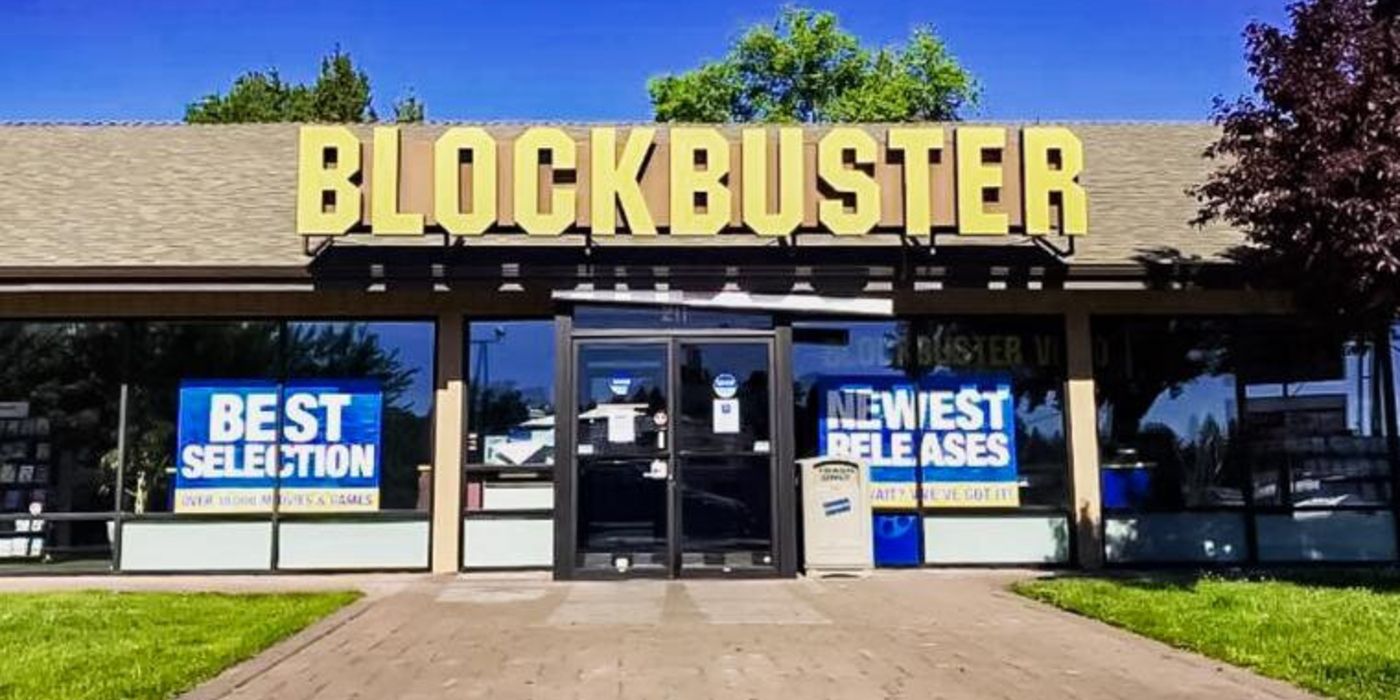
The conversation has been heating up with social media discourse on the subject, with Twitter user CFunderberg providing a thread on excellent background about Blockbuster’s involvement in censorship through their right-wing fundamentals of the 1990s. Unknowingly to many patrons, Blockbuster pandered to right-wing ideologies by censoring indie, mainstream, and classic movies to appease their conservative backers and executives. Back in Blockbuster’s early rise in 1991, the company announced it would no longer carry films rated NC-17, so any film rated as for adults only wouldn’t be stocked. Before Blockbuster’s decision, most independent video rental chains and family-owned shops decided to include NC-17 movies on a case-by-case basis, with Blockbuster taking the overly conservative view of completely removing them from access. Around this same time, conservative Southern personalities were protesting Blockbuster for carrying films over an R rating, which would have meant losing some of their loyal right-wing supporters.
In order for NC-17 movies to be carried by Blockbuster, which was the best way to make them globally accessible, such movies, even if relatively tame, had to censor themselves down to an R rating. Even in 1994 when indie directors and screenwriters with new, adult material were becoming mainstream, Blockbuster still refused to carry them, meaning plenty of small towns communities couldn’t see adult-oriented films after theatrical releases (if they had one). For example, Blockbuster refused to rent Oliver Stone's NC-17 Natural Born Killers in 1994, which was one of the most popular, mainstream films at the time. The popularity of Blockbuster made producers and filmmakers actually cut out certain aspects of their film that may be deemed too risqué or mature simply so that Blockbuster could carry it. At the same time, Blockbuster was acting on the ratings of the MPAA, whose history of racism, homophobia, and religious ideological biases make the rating scale for censorship far more questionable.
Access to films was hard for many in towns whose only choice was a Blockbuster, meaning many people were kept from seeing groundbreaking, mature films that were changing the cinematic field. Movies that were even slightly controversial through sexual affection between same-sex couples or LGBTQ+ content were unshelved, battles were fought over anti-Christian/Catholic themes, and films that could be deemed slightly pornographic were too immoral to be stocked at Blockbuster. When Martin Scorsese movie The Last Temptation of Christ came out in 1989, LA Times reported on how Blockbuster's marketing director revealed its refusal to stock the Academy Award-nominated film because "it was enough of an insult to [their] senses that [they] chose not to carry it." When Blockbuster stocked a movie with an R rating, they had to make sure it was censored or cut enough so religious activists wouldn't be boycotting them. Some of the greatest films in history that can be considered art were about pushing boundaries and truly exploring the human experience, not what the American Family Association thought was moral enough in the 1990s.

When many look back on the errors of the Blockbuster era, it’s about how they were one of the many sectors of mainstream culture that bulldozed family-owned, local businesses and replaced them with the big brand corporation. If set only a few years later, Stranger Things' Steve and Robin would be applying to work at a Blockbuster. College towns, small towns, and areas whose video store aesthetics coincided with individuality and the feel of their area were replaced by the blue and yellow Blockbuster theme. The beloved mom and pop shops or local chains became all but obsolete when Blockbuster rose to power, leaving a significant number of people with no other option to rent movies than by heading to the large corporation.
Over time, Blockbuster bought out regional companies like the mid-Atlantic’s Erol’s or the independent Mega-Movies Inc. in order to diminish any sign of competition. Blockbuster essentially became a monopoly for video rental - meaning the movies they deemed fit to carry were the only movies that some people could see. The corporate video store limiting access to any other outlet meant it had a hold on the market for video rentals, making the business synonymous with the shady brand, similar to McDonald's and fast-food. At Blockbuster’s height of power in 2004, it had 9,094 stores worldwide, meaning millions would have the same expectations for what movies should be depending on what Blockbuster was carrying.
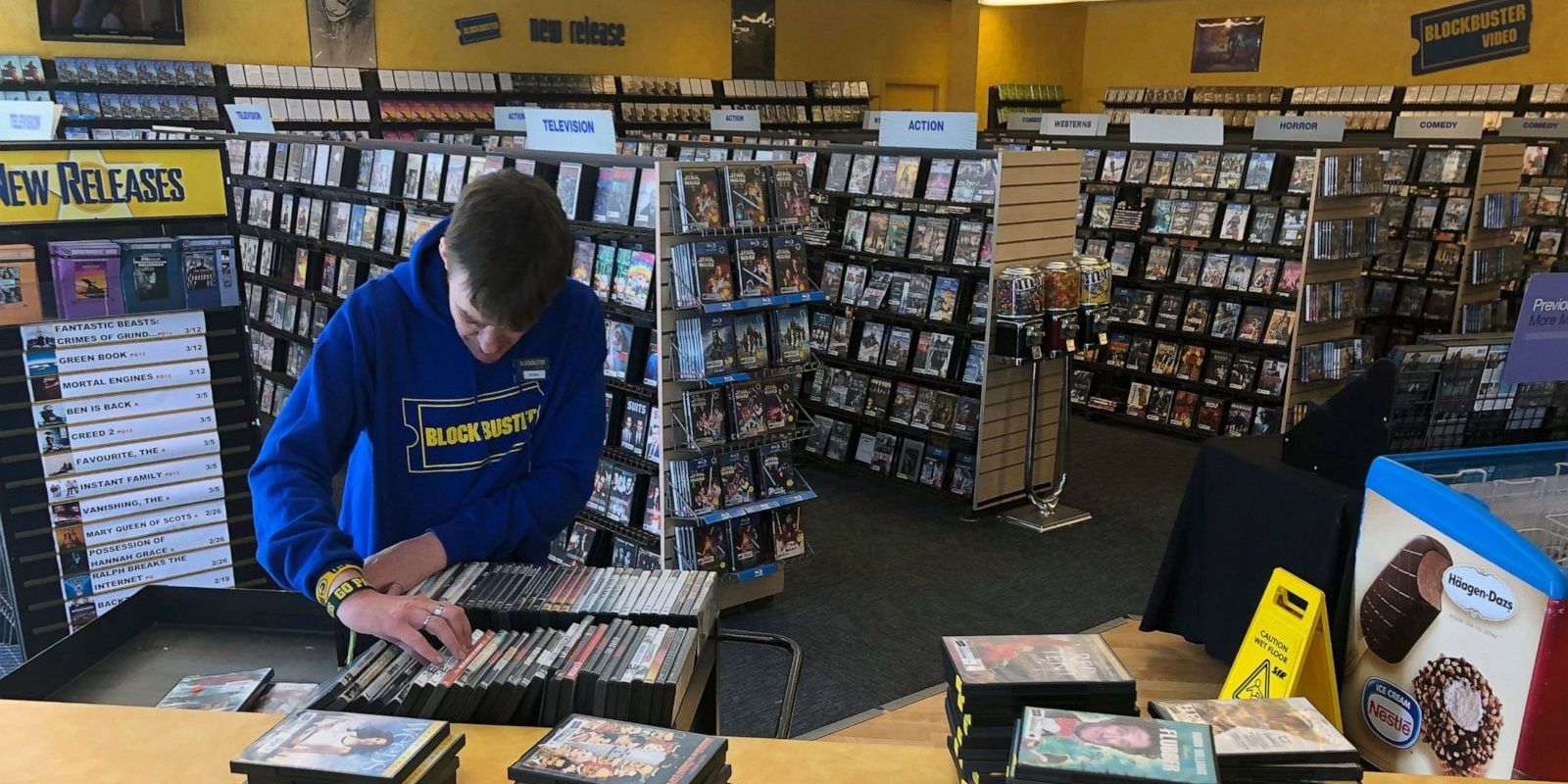
Looking back on Blockbuster’s shady practices, it’s nearly impossible to be mad at the movie lovers who had memberships to the chain and supported them through renting their movies. The internet wasn’t around to introduce such poor business tactics as widely and easily as it is today, meaning many people didn’t even really know, they just knew they didn’t stock very artsy films. For those who grew up in small towns where their local video stores were taken over by Blockbuster, the chain was their only option to watch movies unlike the variety of streaming services today - it’s hard to blame people when they don’t have another accessible choice. Additionally, the easy access to Blockbuster as a cultural experience led a lot of people to develop a love for cinema, being able to discover new and old films alike while sharing their thoughts on what they did or didn’t enjoy.
With Blockbuster’s wide selection, people were able to refine their taste for movies while forming a deeper connection with cinema culture - they didn’t have Film Twitter or forums at the same level people do now. The nostalgia for Blockbuster isn’t for the chain itself, the longing is for the connection and memories of an interactive way to grow a love for film. If screenwriters were looking to make a 2000s-set rom-com about cinephiles, the obvious setting would be a Blockbuster. While Blockbuster’s business practices were questionable at best, for those who only had access to the chain, it’s where many can look back and recall their relationship to movie culture that may have been formed by renting from that location.
from ScreenRant - Feed https://ift.tt/38guZ4h


0 Comments